

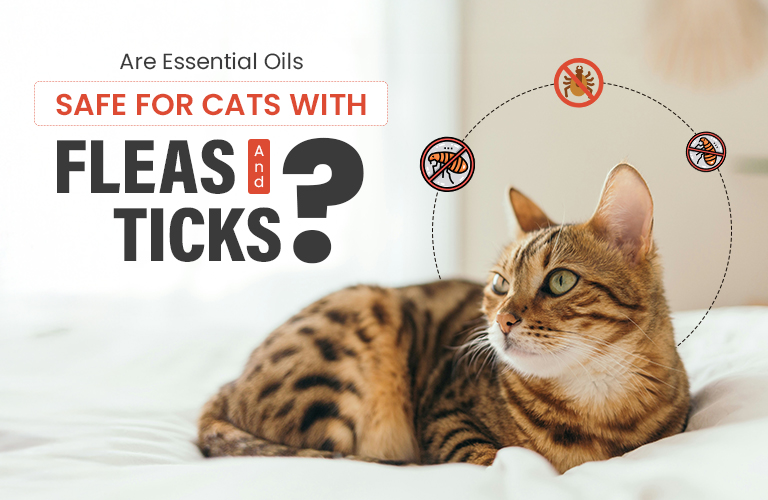
Essential oils are used for a variety of reasons, including beauty care, aromatherapy and alternative treatments to modern medicine. In many cases, they are also recommended for use as antiseptics, antibiotics, and parasitic treatments for fleas and ticks. While essential oils are widely regarded as natural, are they safe for our feline babies? Let’s find out in this blog.
Are Essential Oils Safe for Cats?
Like many common houseplants, essential oils are toxic for cats and pose a serious threat even when exposed to a small quantity. The following essential oils are toxic to cats:
- Cinnamon
- Bergamot
- Eucalyptus
- Clove
- Geranium
- European Pennyroyal
- Lavender
- Lemon, Lime and Orange
- Rose
- Lemongrass
- Rosemary
- Tea Tree
- Sandalwood
- Wintergreen, Peppermint, Spearmint and Mint
- Thyme
- Ylang-ylang
How Are Essential Oils Toxic to Cats?
Essential oils can be harmful to cats if consumed, comeinto contact with the skin, or inhaled, triggering potential damage to their vital organs and even death.
According to studies, inhaling essential oils from reed diffusers or plug-in diffusers can also pose a risk to cats suffering from medical conditions like asthma.
Symptoms of Essential Oil Poisoning in Cats
The following are some of the symptoms of essential oil poisoning in cats that need urgent medical attention.
- Shaking and Tremors
- Excessive Dribbling
- Unsteadiness on their Paws
- Breathing Difficulty
- Lethargy
- Collapse
- Seizures
- Vomiting
If essential oils come into contact with your cats’ skin, it can lead to redness, sores, or chemical burns.
How to Keep Cats Safe from Essential Oils?
Here are some of the easy ways to keep cats safe from essential oils.
- Secure Essential Oils Out of Your Cat’s Reach
If you have a cat at home, make sure to store essential oils in securely fastened containers that your feline can’t access.
- Wash Your Hands Thoroughly After Handling Essential Oils
It is crucial that you wash your hands thoroughly after handling essential oils, as touching or stroking your cat with residue of oils on your hands can be immensely harmful to them.
- Do Not Use Concentrated Forms of Essential Oils
Concentrated essential oils can be fatal if ingested by felines. Therefore, if you need essential oils at home, consider opting for heavily diluted ones to minimize risks for your cat.
- Use Only Vet-Recommended Flea Treatments on Your Cat
Certain over-the-counter flea treatments tend to feature essential oils and can be dangerous for cats. Therefore, it is important that you opt for only cat-specific vet-recommended flea treatments so as to ensure your furball’s safety.
Ending Note
Due to their unique physiology, cats lack the liver enzymes necessary to safely process the concentrated compounds found in essential oils, making even small amounts of exposure potentially life-threatening. To protect your pet, always store oils in a secure, cat-proof cabinet and avoid applying them directly to their skin or fur. If you choose to use a diffuser, ensure it is in a well-ventilated room that your cat can easily exit, and never leave them in a confined space with an active diffuser.